
That Noise Isn't Normal — Here's What Your Garage Door Is Telling You
You press the button on your garage door opener, and instead of a smooth, quiet operation, you're greeted with grinding, squealing, popping, or rattling. If your garage door has started making unusual noises, it's not just an annoyance — it's often a warning sign that something needs attention before a small issue turns into a costly repair.
As garage door professionals serving Jacksonville, NC and the surrounding communities, we hear this concern from homeowners all the time. The good news is that most garage door noises have identifiable causes, and many can be resolved quickly when addressed early. Let's walk through the most common sounds, what they mean, and what you should do about them.
Grinding or Scraping Sounds
A grinding or scraping noise is one of the most common complaints we hear from homeowners in Jacksonville and Sneads Ferry. This sound typically points to one of a few issues:
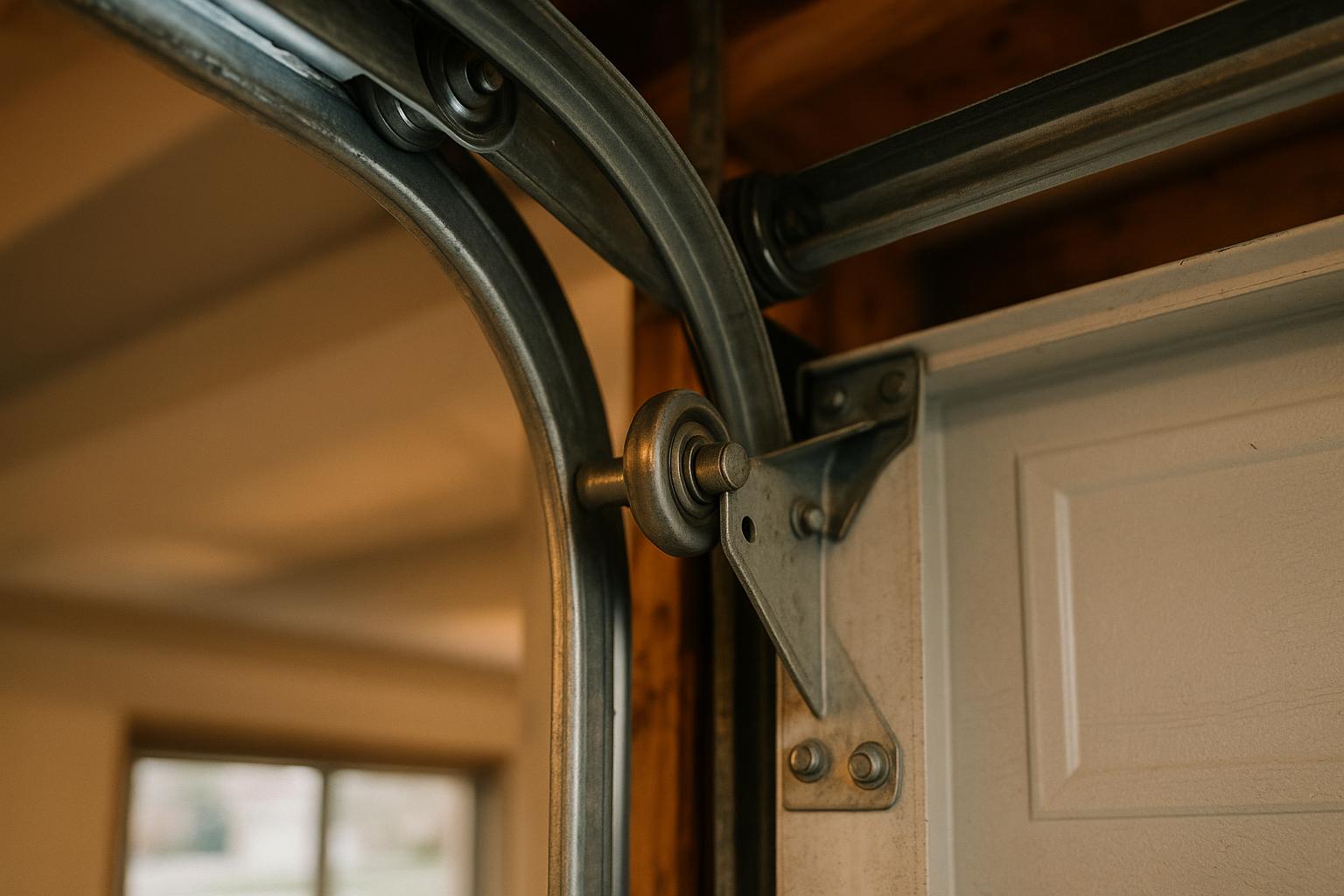
- Worn rollers: Metal rollers can wear down over time, especially in our humid coastal climate. When the rollers lose their smooth surface, they grind against the tracks as the door moves up and down. Replacing worn metal rollers with nylon rollers is a popular upgrade that dramatically reduces noise.
- Misaligned tracks: If the vertical or horizontal tracks have shifted even slightly, the door panels can scrape against the metal as they travel. This not only creates noise but can also cause uneven wear on the door itself.
- Lack of lubrication: Dry metal-on-metal contact is a recipe for grinding sounds. Regular lubrication of the rollers, hinges, and tracks can often eliminate this noise entirely.
Squealing or Squeaking Noises
High-pitched squealing is hard to ignore, especially early in the morning when you're trying not to wake the whole neighborhood. Here's what usually causes it:
- Dry hinges and bearings: The hinges that connect your door panels and the bearings in your rollers need periodic lubrication. Without it, they produce that unmistakable squeal.
- Torsion spring friction: Your torsion springs wind and unwind every time the door operates. Over time, the coils can create friction against each other, producing a squeaking or creaking sound. A professional can lubricate the springs safely — and we strongly recommend against DIY torsion spring work due to the extreme tension involved.
- Weatherstripping drag: Old or improperly installed weatherstripping along the sides or bottom of the door can drag and squeal as the door moves. This is particularly common in Swansboro and Hubert, where salt air can degrade rubber seals faster than in inland areas.
Loud Banging or Popping
A sudden bang or pop from your garage door can be alarming. Don't ignore it — this sound often signals a more serious problem:
- Broken torsion spring: When a torsion spring breaks, it releases stored energy all at once, creating a loud bang that many homeowners mistake for something falling in the garage. If you hear this sound and your door won't open, a broken spring is the most likely culprit. This requires immediate professional repair.
- Panel stress: Popping sounds can occur when door panels flex under stress from a misaligned track or an improperly balanced door. Over time, this can lead to cracked or warped panels.
- Opener strain: If your garage door opener is working harder than it should — due to a heavy door, broken spring, or obstruction — it can produce banging or clunking sounds during operation.
Rattling and Vibrating
Rattling is often the easiest noise to diagnose and fix. Common causes include:
- Loose hardware: The nuts, bolts, and screws that hold your garage door system together can loosen over time from the constant vibration of daily use. A simple tightening with a socket wrench can often solve the problem.
- Loose chain or belt: If your opener uses a chain drive, a loose chain will slap and rattle during operation. Belt-drive openers can also develop slack over time. Adjusting the tension usually resolves the issue.
- Unsecured opener mounting: If the opener unit itself vibrates against the ceiling or its mounting bracket, it can create a persistent rattle. Checking and tightening the mounting hardware is a quick fix.
What You Can Do at Home
Some garage door noise issues are safe for homeowners to address on their own. Here's a basic maintenance checklist that can keep your door running quietly:
- Lubricate moving parts: Use a silicone-based or lithium-based garage door lubricant on the rollers, hinges, springs, and bearing plates every three to six months. Avoid WD-40 for long-term lubrication — it's a solvent, not a true lubricant.
- Tighten loose hardware: Inspect all visible nuts, bolts, and brackets. Tighten anything that has worked loose, but be careful not to overtighten.
- Inspect the rollers: Look for rollers that are cracked, chipped, or worn flat. If you see visible damage, it's time for replacement.
- Check the tracks: Look for debris, dents, or gaps between the track and the mounting brackets. You can gently clean the tracks with a damp cloth, but leave any realignment work to a professional.
When to Call a Professional
While basic maintenance is something most homeowners can handle, certain garage door repairs should always be left to trained technicians. You should call a professional if:
- You suspect a broken or damaged torsion spring
- The door is visibly off-track or crooked
- Noises persist after lubrication and tightening
- The door feels unusually heavy when operated manually
- Your opener is straining, stopping mid-cycle, or reversing unexpectedly
Attempting to repair springs, cables, or tracks without proper training and tools can result in serious injury. These components are under significant tension and require specialized knowledge to handle safely.
Don't Wait Until a Noise Becomes a Breakdown
Strange garage door noises are your door's way of asking for help. Addressing them early almost always saves money compared to waiting for a complete failure. A door that goes off-track, an opener that burns out, or a spring that snaps can leave you locked out of your garage — or worse, create a safety hazard for your family.
At Jacksonville Garage Door Specialists, we provide thorough inspections and honest assessments for homeowners across Jacksonville, Richlands, Midway Park, and the surrounding areas. Whether your door needs a simple tune-up or a major repair, we show up on time and get the job done right the first time.
If your garage door is making noises that don't sound right, don't wait for the problem to get worse. Give us a call and let us take a look. Most noise-related issues can be diagnosed and resolved in a single visit, giving you back the quiet, reliable garage door you deserve.